
Why we opt for selective soldering rather than ultra-fast wave soldering | Topics
In modern electronics manufacturing, demands are constantly rising: assemblies are becoming more compact, component density is increasing, thermally challenging areas are becoming more common, and changes to products or layouts must be implemented ever more quickly. At the same time, expectations regarding quality, process reliability and cost-effectiveness are rising. Against this backdrop, we have made a conscious decision to use selective soldering rather than faster wave soldering. For us, this technology is the more compelling solution because it combines the highest soldering quality with the flexibility of modern manufacturing.
Precision rather than compromise
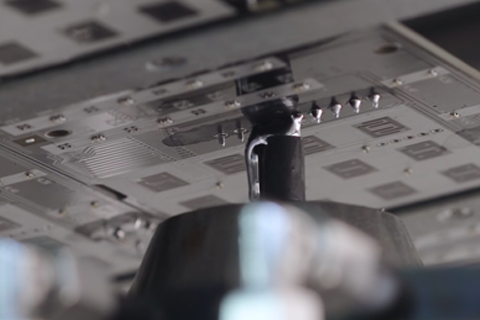
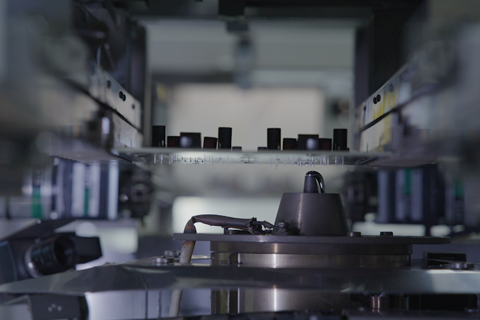
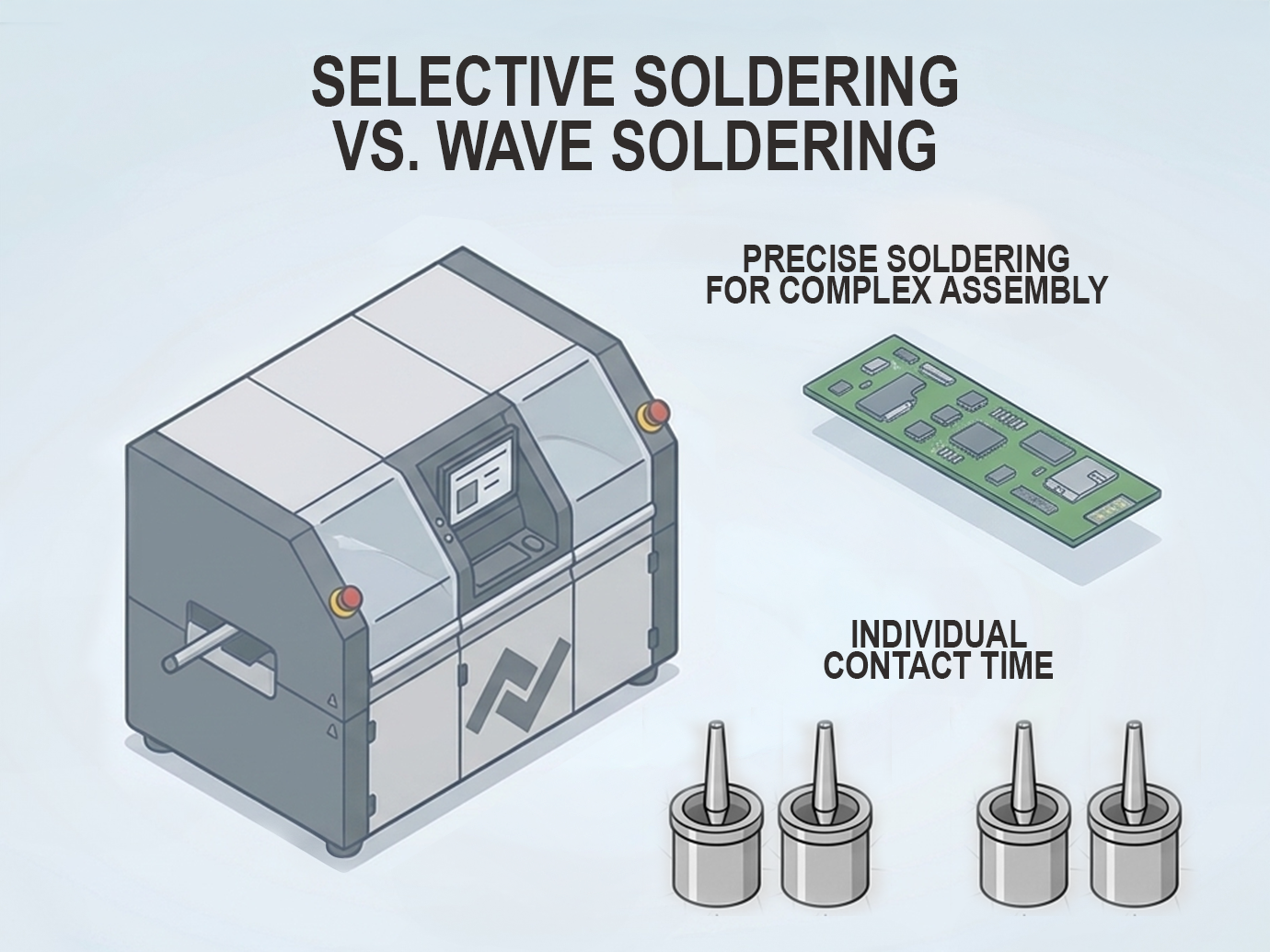
The key advantage of selective soldering lies in the targeted processing of each individual solder joint. In contrast to wave soldering, where the entire assembly undergoes a standardised process, selective soldering allows all relevant parameters to be individually tailored to the respective joint. These include, in particular, flux application, preheating, contact time with the solder, nozzle geometry, and wetting and lift-off behaviour.
This differentiated process control is particularly crucial for high-mass or thermally demanding contacts. Such joints often require a longer contact time with the solder to ensure reliable solder penetration in accordance with IPC guidelines and customer-specific requirements. Selective soldering provides the necessary control to reliably ensure reproducible, high-quality soldering results.
Technological advantage in complex assemblies
Modern flat assemblies combine high component density, sensitive SMD components and THT components requiring selective soldering within a very confined space. It is precisely in this context that selective soldering demonstrates its strengths. As only the areas actually requiring joining are processed, neighbouring components are protected and critical areas can be treated in a targeted manner.
This reduces typical risks such as solder bridges, insufficient wetting or unnecessary thermal stress on sensitive components. Instead of a blanket soldering process, we achieve solder joint-specific quality assurance, which is crucial, particularly for complex assemblies.
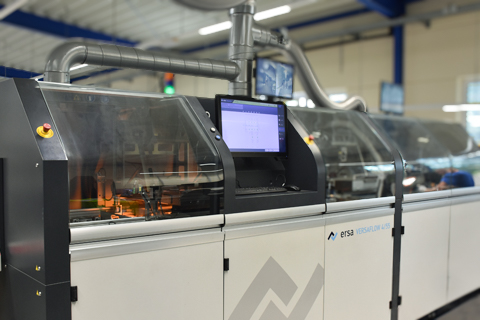
High-performance manufacturing with the ERSA Versaflow 4/55
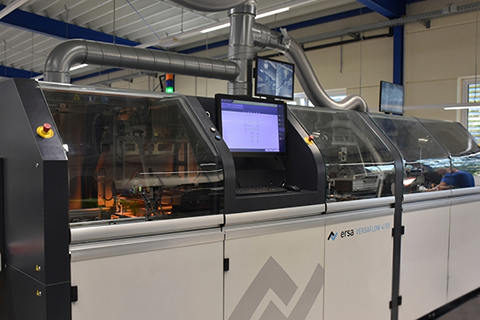
A key component of our production strategy is our Versaflow 4/55 from ERSA, the market leader in selective soldering technology. This system not only offers us high process stability, but above all exceptional flexibility.
A key feature is the four solder pots. This allows us to use up to four different nozzle geometries within a single system and tailor them precisely to different solder joint geometries. Small, hard-to-reach contacts can be processed just as reliably as high-mass or geometrically complex joints.
This technical equipment makes our process particularly adaptable. Different assemblies, changing requirements and new layouts can be implemented efficiently without the need for time-consuming modifications. At the same time, the system enables parallel soldering, allowing us to achieve a very high throughput. In this way, we combine the quality advantages of selective soldering with a level of productivity that, in many applications, approaches that of wave soldering.
Respond more quickly, manufacture more cost-effectively
Another advantage of selective soldering lies in its high degree of adaptability. New products, layout changes or variants can usually be integrated into the process quickly by making adjustments to the software. This is a clear advantage, particularly in markets with short product life cycles and fluctuating component availability.
Furthermore, in many cases we can dispense with complex soldering frames, such as those frequently required for wave soldering. This not only saves tooling costs but also reduces the effort involved in the start-up of series production and avoids long lead times. We can also flexibly produce smaller fixtures for component positioning ourselves using 3D printing and incorporate them into the process at short notice.
Conclusion
For us, selective soldering is far more than just an alternative to high-speed wave soldering. It is the logical response to the demands of modern electronics manufacturing: precise, reproducible, flexible and cost-effective. With the ERSA Versaflow 4/55, its four solder pots, the option to use up to four different nozzle geometries and the ability to solder in parallel, we have a technology that perfectly combines quality and efficiency.
Would you like to further develop a new or existing electronic product? Let’s discuss it.
Get in touch now